
Mount Dhaulagiri Expedition (8167m)-52Nights/ 53Days

- Destination: Mount Dhaulagiri (8167m)
- Activities: Climbing & Trekking
- Trip Grade: D
- Departure from: Kathmandu
- Arrival on: Kathmandu
- Group size: 1-8
- Best Seasons: March- April- May & Sept- Oct- Nov
- Meals: All Meals During the Expedition Period
- Accomodation: All Accommodation
- Transportation: All Transportation
A Technical 8,000-Meter Expedition in Western Nepal
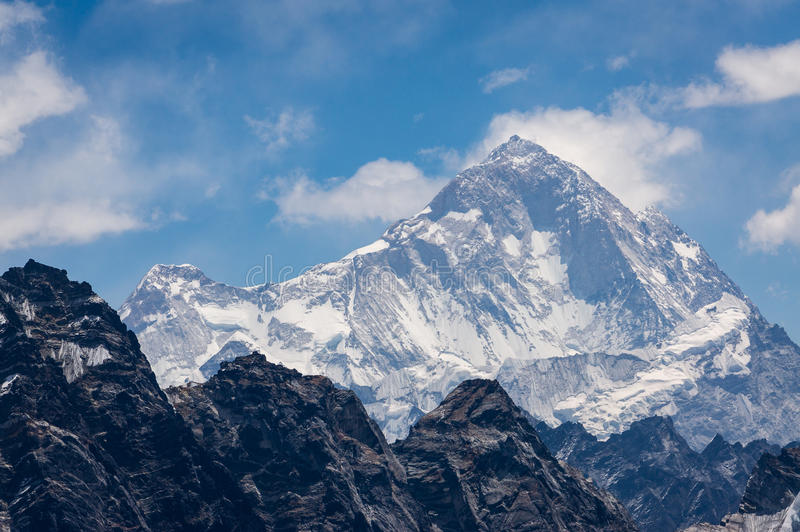
The Mount Dhaulagiri Expedition is a challenging Himalayan climb to the world’s seventh-highest mountain at 8,167 meters (26,795 feet). Located in western Nepal, Dhaulagiri rises above the Kali Gandaki Gorge and dominates the surrounding landscape with its massive snow-covered faces and ridgelines. This expedition combines a scenic approach trek through remote villages, forests, and alpine valleys with the demands of a technical 8,000-meter ascent.
The journey begins in Kathmandu before traveling to Pokhara and driving to the trailhead at Takam. The trekking route passes through Bagar, Dovan, and Italian Base Camp before reaching Dhaulagiri Base Camp, where the climbing phase begins. Over several weeks, climbers complete acclimatization rotations, establish higher camps, and wait for suitable weather before making their summit attempt.
Dhaulagiri is regarded as one of Nepal’s more demanding 8,000-meter expeditions. Success requires previous high-altitude mountaineering experience, excellent physical fitness, and the ability to adapt to changing mountain conditions. For experienced climbers, the expedition offers a rewarding combination of remote trekking, technical climbing, and one of the Himalayas’ most recognizable summits.
Is This Trip Right for You?
The Mount Dhaulagiri Expedition is designed for experienced mountaineers seeking one of Nepal’s more technically demanding 8,000-meter climbs.
Unlike some other Himalayan expeditions, Dhaulagiri combines a multi-day approach trek with sustained climbing at extreme altitude. Climbers should be comfortable traveling on glaciers, negotiating steep snow and ice terrain, using fixed ropes, and spending several weeks in a remote mountain environment.
Previous experience on peaks of at least 6,500 meters is recommended. Excellent physical fitness, strong endurance, and the ability to perform over an extended expedition are essential.
This expedition is best suited for climbers who:
- Have previous high-altitude mountaineering experience.
- Possess technical climbing skills.
- Are physically fit and well prepared for a seven- to eight-week expedition.
- Understand the risks associated with climbing above 8,000 meters.
- Are comfortable camping in remote mountain environments for extended periods.
Difficulty
Grade: Technical High-Altitude Expedition
Objective hazards may include:
- Crevasses and glacier travel
- Seracs and icefall
- Avalanche risk
- Extreme altitude
- Strong winds
- Cold temperatures
- Rapidly changing mountain weather
Careful acclimatization, favorable weather, and sound decision-making are essential throughout the expedition.
Permits
The expedition requires climbing permits, trekking permits, national park or conservation area fees, and other government documentation. These arrangements are handled by Apex Nepal Treks & Tours as part of the expedition services.
Frequently Asked Questions
How difficult is the Dhaulagiri Expedition?
Dhaulagiri is considered a technically challenging 8,000-meter expedition that requires previous mountaineering experience, excellent physical fitness, and the ability to climb in demanding alpine conditions.
Do I need previous climbing experience?
Yes. Climbers should have technical climbing skills and prior experience on peaks of at least 6,500 meters.
How long is the expedition?
The standard itinerary is 53 days, including the approach trek, acclimatization, climbing period, and a spare day for weather delays.
What accommodation is provided?
The expedition includes 3-star hotels in Kathmandu and Pokhara, along with fully supported tented camps during the trek and climb.
Are meals included?
Yes. Breakfast is included in Kathmandu and Pokhara, while all meals are provided during the trek and expedition.
When is the best time to climb Dhaulagiri?
The recommended climbing seasons are spring (March-May) and autumn (September-November), with spring being the preferred season for most expeditions.
How many climbers are in each group?
Expedition groups range from one to eight climbers.
About Apex Nepal Treks & Tours
Apex Nepal Treks & Tours organizes Himalayan expeditions with experienced local guides and Sherpa climbing teams who support climbers throughout every stage of the journey. From domestic travel arrangements and permit processing to Base Camp logistics and high-altitude support, the team works to provide a well-organized expedition with safety and careful planning at its core. Apex also promotes responsible tourism by encouraging environmentally responsible practices and supporting community initiatives through Foundation Apex Nepal. Whether you’re preparing for your first 8,000-meter expedition or pursuing another Himalayan summit, Apex aims to provide dependable support from your arrival in Nepal until your departure.
Compare Similar Expeditions
If you’re comparing 8,000-meter expeditions, you may also be interested in:
Mount Manaslu Expedition (8,163m) – A popular first 8,000-meter expedition for experienced climbers building their high-altitude mountaineering experience.
Mount Annapurna I Expedition (8,091m) – One of the Himalayas’ most technically demanding 8,000-meter peaks for climbers seeking a greater challenge after less technical expeditions.
Trip Highlights
- Climb Mount Dhaulagiri (8,167m), the world’s seventh-highest mountain.
- Follow the classic Northeast Ridge expedition route.
- Trek through forests, mountain valleys, and remote villages before reaching Base Camp.
- Spend time at Italian Base Camp and Dhaulagiri Base Camp during the acclimatization process.
- Climb with experienced Sherpa guides and a fully supported expedition team.
- Experience panoramic views of the Dhaulagiri and Annapurna mountain ranges.
- Complete a carefully planned acclimatization program before the summit attempt.
- Descend through Yak Kharka and the traditional village of Marpha before returning to Pokhara.
At a Glance
Ø Technically difficult mountain
Ø Height (8167m) above the sea level
Ø Location: Gandaki Provincial region of Nepal
Ø Himalayan Range: Dhaulagiri Range of Gandaki Province
Ø Northwest of Kathmandu
Ø Latitude: 28.41.54 N
Ø Altitude: 83.29.15 E
Day to Day Itinerary
Route Overview
The expedition begins in Kathmandu, where you’ll meet the expedition team, complete equipment checks, and finalize preparations before flying to Pokhara. From there, a scenic drive leads to Takam, where the trekking portion of the journey begins.
The approach to Dhaulagiri Base Camp follows a remote trail through forests, river valleys, and alpine landscapes. Along the way, you’ll pass through Bagar, Dovan, and Italian Base Camp, with scheduled acclimatization before continuing to Base Camp.
Once at Dhaulagiri Base Camp, the expedition enters its climbing phase. Over the following weeks, climbers complete acclimatization rotations, establish higher camps, carry equipment, and prepare for the summit while monitoring mountain conditions and weather forecasts.
Following a successful summit attempt, the team descends to Base Camp before trekking through Yak Kharka to the village of Marpha. The expedition concludes with a drive to Pokhara, a return flight to Kathmandu, and a spare day before departure to allow flexibility for mountain conditions.
Day-by-Day Itinerary
Note: The expedition schedule may change depending on weather conditions, mountain conditions, and each climber’s acclimatization. Your expedition leader will make adjustments when necessary to prioritize safety.
Day 1: Arrival in Kathmandu
Arrive in Kathmandu and transfer to your hotel for a welcome briefing and expedition orientation.
Day 2: Expedition Preparation
Meet your guides, inspect your equipment, and complete preparations for the expedition.
Day 3: Final Preparations
Complete final gear checks and expedition preparations before departing for western Nepal.
Day 4: Fly to Pokhara and Drive to Takam
Fly to Pokhara before driving to Takam, the starting point of the trekking route.
Day 5: Trek to Bagar (2,080m)
Begin the approach trek through forested trails to the settlement of Bagar.
Day 6: Trek to Dovan (2,520m)
Continue trekking through the valley to Dovan alongside rivers and mountain scenery.
Day 7: Trek to Italian Base Camp (3,660m)
Climb gradually to Italian Base Camp, an important staging point on the approach to Dhaulagiri.
Day 8: Acclimatization at Italian Base Camp
Take a day hike and rest to help your body adjust to the increasing altitude.
Day 9: Trek to Dhaulagiri Base Camp (4,750m)
Continue to Dhaulagiri Base Camp, where the climbing phase of the expedition begins.
Days 10-46: Acclimatization, Training, and Summit Attempt
Complete acclimatization rotations, establish higher camps, and make the summit attempt when weather and mountain conditions allow.
Day 47: Base Camp Clean-Up
Pack equipment and help prepare Base Camp for departure following the expedition.
Day 48: Trek to Yak Kharka
Descend from Base Camp to Yak Kharka on the return journey.
Day 49: Trek to Marpha
Continue trekking to the traditional village of Marpha in the Kali Gandaki Valley.
Day 50: Drive to Pokhara
Drive from Marpha to Pokhara and enjoy a well-earned rest.
Day 51: Fly to Kathmandu
Return to Kathmandu by domestic flight.
Day 52: Spare Day in Kathmandu
Keep this day in reserve for weather delays or enjoy sightseeing if it is not required.
Day 53: Departure
Transfer to the airport for your onward flight home.
What's Included
- Airport transfers in Kathmandu
- Domestic flights between Kathmandu and Pokhara
- 3-star hotel accommodation in Kathmandu and Pokhara
- Breakfast in Kathmandu and Pokhara
- All meals during the trek and expedition
- Dhaulagiri climbing permit and required expedition documentation
- Government royalty fees
- National park and conservation area fees
- Experienced Sherpa climbing team and all associated expenses
- Base Camp manager and Sirdar
- Required oxygen bottles with masks and regulators
- Satellite communication system at Base Camp (additional charges may apply for personal use)
- Radio communication between camps
- Personal tent at Base Camp
- High-altitude tents, kitchen tent, dining tent, toilet tent, storage tent, cooking equipment, and other expedition equipment
- Porters and yaks for transporting expedition equipment (up to 30 kg per climber)
- Waterproof duffel bag
- Staff wages, insurance, and allowances
- Liaison Officer and associated expenses
- Government taxes and local fees
What's not Included
- International airfare
- Meals in Kathmandu and Pokhara (except breakfast)
- Nepal visa fees
- Personal climbing clothing and equipment
- Personal travel and mountaineering insurance
- Summit bonus
- Personal expenses
- Gratuities for guides and support staff
Accommodations
The expedition includes 3-star hotel accommodation in Kathmandu and Pokhara before and after the climb. During the trek to Dhaulagiri Base Camp and throughout the expedition, you’ll stay in fully supported tented camps. Base Camp is equipped with personal sleeping tents, along with dining, kitchen, toilet, and storage tents to support the team during the expedition. Higher on the mountain, climbers use high-altitude tents during acclimatization rotations and the summit push.
Meals
Breakfast is included during your hotel stays in Kathmandu and Pokhara. Throughout the trek to Base Camp and the expedition, all meals are provided by the expedition team. Meals are prepared to support the energy demands of trekking, acclimatization, and climbing at high altitude.
Team Composition
· From 1 Pax to 8 Pax in a group
Physical Condition & Experience Requirements
- Have previous high-altitude mountaineering experience.
- Possess technical climbing skills.
- Are physically fit and well prepared for a seven- to eight-week expedition.
- Understand the risks associated with climbing above 8,000 meters.
- Are comfortable camping in remote mountain environments for extended periods.
Best Time to Travel
Spring (March-May) – Recommended
Spring is the preferred season for climbing Dhaulagiri, with generally stable weather, clearer skies, and the best opportunities for a successful summit.
Autumn (September-November)
Autumn also offers favorable climbing conditions, with good visibility and reliable weather windows for high-altitude expeditions.
Route Overview
The expedition begins in Kathmandu, where you’ll meet the expedition team, complete equipment checks, and finalize preparations before flying to Pokhara. From there, a scenic drive leads to Takam, where the trekking portion of the journey begins.
The approach to Dhaulagiri Base Camp follows a remote trail through forests, river valleys, and alpine landscapes. Along the way, you’ll pass through Bagar, Dovan, and Italian Base Camp, with scheduled acclimatization before continuing to Base Camp.
Once at Dhaulagiri Base Camp, the expedition enters its climbing phase. Over the following weeks, climbers complete acclimatization rotations, establish higher camps, carry equipment, and prepare for the summit while monitoring mountain conditions and weather forecasts.
Following a successful summit attempt, the team descends to Base Camp before trekking through Yak Kharka to the village of Marpha. The expedition concludes with a drive to Pokhara, a return flight to Kathmandu, and a spare day before departure to allow flexibility for mountain conditions.
Day-by-Day Itinerary
Note: The expedition schedule may change depending on weather conditions, mountain conditions, and each climber’s acclimatization. Your expedition leader will make adjustments when necessary to prioritize safety.
Day 1: Arrival in Kathmandu
Arrive in Kathmandu and transfer to your hotel for a welcome briefing and expedition orientation.
Day 2: Expedition Preparation
Meet your guides, inspect your equipment, and complete preparations for the expedition.
Day 3: Final Preparations
Complete final gear checks and expedition preparations before departing for western Nepal.
Day 4: Fly to Pokhara and Drive to Takam
Fly to Pokhara before driving to Takam, the starting point of the trekking route.
Day 5: Trek to Bagar (2,080m)
Begin the approach trek through forested trails to the settlement of Bagar.
Day 6: Trek to Dovan (2,520m)
Continue trekking through the valley to Dovan alongside rivers and mountain scenery.
Day 7: Trek to Italian Base Camp (3,660m)
Climb gradually to Italian Base Camp, an important staging point on the approach to Dhaulagiri.
Day 8: Acclimatization at Italian Base Camp
Take a day hike and rest to help your body adjust to the increasing altitude.
Day 9: Trek to Dhaulagiri Base Camp (4,750m)
Continue to Dhaulagiri Base Camp, where the climbing phase of the expedition begins.
Days 10-46: Acclimatization, Training, and Summit Attempt
Complete acclimatization rotations, establish higher camps, and make the summit attempt when weather and mountain conditions allow.
Day 47: Base Camp Clean-Up
Pack equipment and help prepare Base Camp for departure following the expedition.
Day 48: Trek to Yak Kharka
Descend from Base Camp to Yak Kharka on the return journey.
Day 49: Trek to Marpha
Continue trekking to the traditional village of Marpha in the Kali Gandaki Valley.
Day 50: Drive to Pokhara
Drive from Marpha to Pokhara and enjoy a well-earned rest.
Day 51: Fly to Kathmandu
Return to Kathmandu by domestic flight.
Day 52: Spare Day in Kathmandu
Keep this day in reserve for weather delays or enjoy sightseeing if it is not required.
Day 53: Departure
Transfer to the airport for your onward flight home.
What's Included
- Airport transfers in Kathmandu
- Domestic flights between Kathmandu and Pokhara
- 3-star hotel accommodation in Kathmandu and Pokhara
- Breakfast in Kathmandu and Pokhara
- All meals during the trek and expedition
- Dhaulagiri climbing permit and required expedition documentation
- Government royalty fees
- National park and conservation area fees
- Experienced Sherpa climbing team and all associated expenses
- Base Camp manager and Sirdar
- Required oxygen bottles with masks and regulators
- Satellite communication system at Base Camp (additional charges may apply for personal use)
- Radio communication between camps
- Personal tent at Base Camp
- High-altitude tents, kitchen tent, dining tent, toilet tent, storage tent, cooking equipment, and other expedition equipment
- Porters and yaks for transporting expedition equipment (up to 30 kg per climber)
- Waterproof duffel bag
- Staff wages, insurance, and allowances
- Liaison Officer and associated expenses
- Government taxes and local fees
What's not Included
- International airfare
- Meals in Kathmandu and Pokhara (except breakfast)
- Nepal visa fees
- Personal climbing clothing and equipment
- Personal travel and mountaineering insurance
- Summit bonus
- Personal expenses
- Gratuities for guides and support staff
0 Reviews on Mount Dhaulagiri Expedition (8167m)


Leave a Reply
You must be logged in to post a comment.