Bhutan Tour-3 Nights / 4 Days

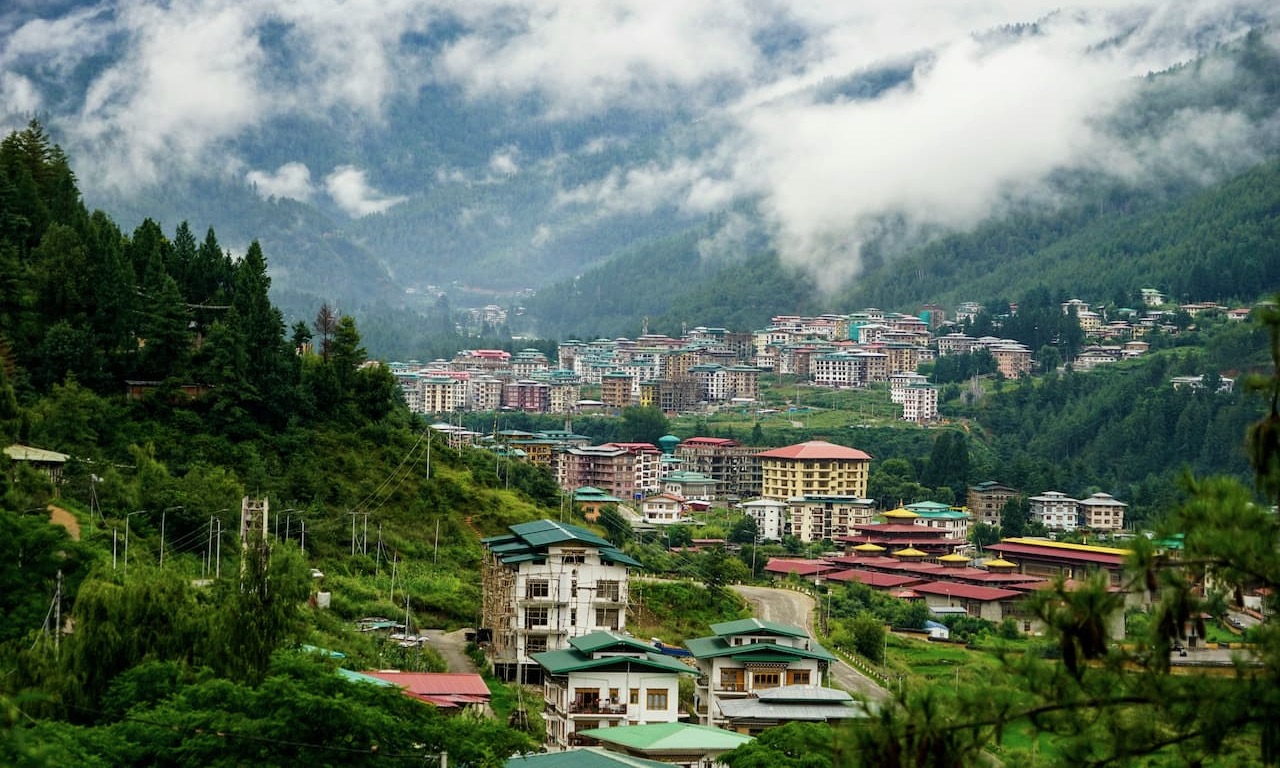
landscape of buildings and mountains in Bhutan
  •   Destination: Bhutan
  •  Activities: Tour
  •   Trip Grade: A
  •   Departure from: Paro
  •   Arrival on: Paro
  •  Best Seasons: Autumn, Spring & Winter
  •   Meals: All meals are included while being in Bhutan (Breakfast, Lunch & Dinner with Tea/ Coffee)
  •   Accomodation: All accommodations are included in Bhutan. 3 Star Level Hotels
  •   Transportation: All Transportation

Discover Bhutan: The Last Himalayan Kingdom

Bhutan is a small Himalayan country located between Tibet and India. With a population of around 780,000 and a strong focus on happiness, culture, and nature, it offers one of the most unique travel experiences in the world.


Known as the “Land of the Thunder Dragon,” Bhutan is filled with cliffside monasteries, green valleys, and snow-covered Himalayan peaks. Vajrayana Buddhism shapes daily life, festivals, and architecture across the country.


The Himalayas dominate the landscape, with sacred peaks like Gangkhar Puensum (7,570m), the world’s highest unclimbed mountain, and Mount Jomolhari (7,326m), deeply respected in local culture.


Bhutan’s identity is rooted in its traditions and environment. Over 70% of the country is forested, supporting rare wildlife such as red pandas, snow leopards, and the national animal, the takin.


Travelers often describe Bhutan as a peaceful and untouched destination where culture and nature remain closely connected.


Apex Nepal Treks & Tours offers guided Bhutan experiences designed for comfort, culture, and responsible travel.


Paro (2,200m)

Paro is a historic valley known for its sacred sites and cultural landmarks. Key places include Ta Dzong, the ruins of Drukgyel Dzong, Dungtse Lhakhang, and Ugyen Pelri Palace. Ta Dzong, built in the 15th century, is now the National Museum and stands as one of Bhutan’s most important historical buildings.


Paro is also home to Paro International Airport, known for its short runway and surrounding high mountains. Only specially trained pilots are allowed to land here, making arrival in Paro a unique experience. The highlight of the valley is Paro Taktsang, or Tiger’s Nest Monastery, perched on a cliff above the valley floor.


Paro Taktsang (Tiger’s Nest Monastery)

Tiger’s Nest is Bhutan’s most iconic monastery. It was built around a cave where Guru Padmasambhava is believed to have meditated in the 8th century. The present structure dates back to 1692. The site sits at 3,120 meters above sea level, about 900 meters above Paro Valley, and is reached by a scenic hike through forested slopes.


According to legend, Guru Rinpoche arrived here on the back of a tigress, while another story credits Yeshe Tsogyal, a key figure in Tibetan Buddhism, with carrying him to the cave.


Thimphu (2,334m)

Thimphu is Bhutan’s capital and largest city, set in a wide valley along the Wang Chhu River. It has a small population and a calm, traditional atmosphere. There is no airport in Thimphu, so travelers arrive via Paro, about 52 kilometers away.


Photo by Pema Gyamtsho on Unsplash

Trip Highlights

Bhutan Tour Highlights :

  • Unlocking hidden Natural and Cultural treasures of Bhutan
  • Spectacular views of Himalayas
  • One of the Happiest Countries in the world
  • Diverse landscape & Unique culture
  • Unspoiled Nature
  • Unique Hospitality
  • Quality Tourism rather than Quantitative
  • Beautiful ancient Monasteries
  • Several religious Heritage sites
  • Traditional School
  • Spectacular Mountain Flight to Paro (by Druk Air)

Day to Day Itinerary

 
Day01: Arrival and Drive to Thimpu (2334m),51km (1.5 to 2hrs drive)
Upon arrival and welcome at the airport, we’ll drive to Thimpu which is around 2hrs drive from Paro. After being welcomed at Hotel and being freshened up, we’ll have lunch here. And after lunch we’ll visit the Traditional School of Arts & Crafts.
 
Traditional School of Arts & Crafts Thimpu: With the exclusive purpose of conserving the rich culture and prosperous tradition of Bhutan. Traditional School of Arts and Crafts provides free Education, Food, and Lodging to all students. Students, depending on their interests and talent, can specialize in one of the thirteen arts and crafts choices.
 
Day02: Thimpu Sightseeing
After having a pleasant sleep and a healthy breakfast with fresh air we’ll start our day visiting several historical and cultural monuments in and around Thimpu valley eg Tashichho Dzong, Zilukha Nunnery, Heritage Museum, Memorial Chorten, Paper Factory, Takin Sanctuary, etc.
 
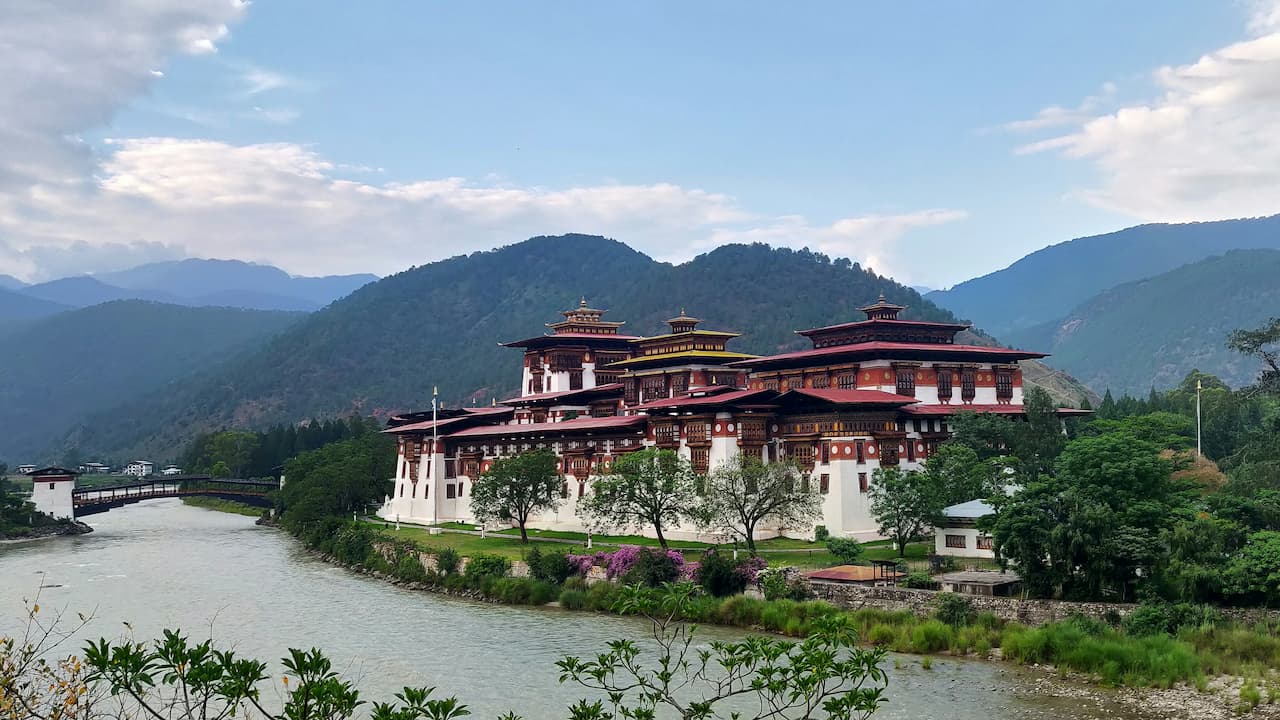
Tashichho Dzong: Centuries-old Dzong which was used as a fortress cum monastery in ancient time is now the office of ministers and home of the Royal Throne. Tashichho Dzong is situated on the bank of the Wang chu river. It’s a beautiful ancient historical building. Tashichho Dzong is also known as “Fortress of Glorious Religion”
 
Zilukha Nunnery: The nunnery situated at Zilukha of Thimpu district houses over 60 Nunes. The nunnery is supported by the Government of Bhutan and the Dzong association. The Zilukha nunnery is also known as Drubthob Goemba or Thangthong Dewachen Nunnery. You can light a prayer candle here to pray and wish. Lighting a candle is free of cost. It is much believed that your prayer and wish are ultimately listened to by Buddha if you pray from your heart. The nunnery was built in the 15th century.
 
Memorial Chortens: Located on Doeboon Lam in the southern-central part of Thimpu is a memorial place built-in memory of third Druk Gyalpo (Jigme Dorji Wangchuk) for world peace. It is one of the most visible landmarks in Thimpu valley.
 
Takin Sanctuary: Takin is the national animal of Bhutan. Located in Motithang, Takin sanctuary has an area of 3 hectares. The Takin animal resembles goat-Cow hybrids, looks strange but quite a gentle animal.
 
Heritage Museum: The National Folk Heritage Museum is housed in a 3-story 19th-century building. The museum has a collection of artifacts of Bhutan’s History, Architecture & Culture. The museum is located at Kawajangsa, Thimpu. The museum building is made from Timber and rammed-earth. The National Folk Museum of Thimpu is also known as Phelchey Toenkhyim
 
Paper Factory: The traditional way of manufacturing paper from Daphne tree and Dhekap tree bark can be seen at Jungshi Handmade Paper Factory. The authentic handmade paper is called “Dehsho” in the Bhutanese language. Notebooks made of this paper are long-lasting and good for souvenirs.
 
Changlingmethang Zangdopelri Temple: Located on a lovely ridge above Thimpu Dzongkhag Administration has a small but beautiful temple. There is also Zangdopelri Market nearby.
 
Day03: Thimpu- Paro- Tiger’s Nest Hiking (3120m)
We’ll have a healthy breakfast in the morning with fresh air, a charming and peaceful environment around. After breakfast, we’ll drive to Paro to visit our main attraction of the trip- Tiger’s Nest. It would be a beautiful hike to the Tiger’s Nest. The view is magnificent with occasional beautiful clouds covering the tip of the Mountains making you feel the serene remoteness and tranquil environment providing you a heavenly feel of nature.
 
Built on a high cliff 900m above the Paro valley, Tiger’s Nest is a historical, cultural, and religious masterpiece of Bhutan or of the world. Later, we’ll visit the National Museum & Ruins of Drukgyel Dzong.
 
National Museum (Ta-Dzong): National Museum of Paro was established in 1968 in the renovated ancient Ta-Dzong building by King Jigme Dorji Wangchuk. The original building was from 1649. The museum is rich in collections of cultural-historical artifacts of Bhutan with more than 3000 artifacts- most of them over 1500 years old.
 
Ruins of Drukgyel Dzong: Situated on a ridge in the upper Paro valley, Drukgyel Dzong built-in 1649, is one of the most famous and beautiful archeological monuments in Bhutan. The ancient defensive Dzong commemorates victory over an invasion from Tibet. The Dzong was built by Tenzin Drukdra.
 
Day04: Departure
After a nice and healthy breakfast, we’ll start to prepare our inward Journey. We’ll transfer you to the Airport for your scenic and lovely flight to home or to another destination.
 

What's Included

Bhutan Tour Cost Include:

  • Both ways Flights (Kathmandu- Paro- Kathmandu)
  • All Airport Transfers in a Private Vehicle
  • Bhutan Visa and all the required documentation
  • Hotels in Bhutan (3 Star Level Hotels)
  • All Meals ( Breakfast, Lunch & Dinner with Tea/ Coffee)
  • All Sightseeings as per itinerary, in a private vehicle
  • Guided Tour with all guide’s expenses
  • Entrance fees of all sightseeing spots
  • All the local & Government Taxes, etc.

What's not Included

Bhutan Tour Cost Does Not Include:

  • Very personal expenses
  • Personal Insurance
  • Tips, Donations, etc.

Accommodations

All accommodations are included in Bhutan and are 3-Star Hotels

Meals

All meals are included while in Bhutan (Breakfast, Lunch & Dinner with Tea / Coffee)

Best Time to Travel

Bhutan has mainly five seasons- Autumn, Winter, Spring, Monsoon & Summer.
  • Autumn (October, November, December) has a clear and fresh sky with pleasant temperatures.
  • Winter (January & February) months have cooler weather and might have some snowfall on higher elevation.
  • Spring (March-April- May) will have valleys blooming with flowers and the sky clear too.
So, considering the natural scenery and cultural sights, October, November, December, March, April & May months are the best times to visit Bhutan. And if you wish to see snowfall, then January or February can be good, too.
But Bhutan can be visited all around the year suiting your vocational period and timing.
 
Day01: Arrival and Drive to Thimpu (2334m),51km (1.5 to 2hrs drive)
Upon arrival and welcome at the airport, we’ll drive to Thimpu which is around 2hrs drive from Paro. After being welcomed at Hotel and being freshened up, we’ll have lunch here. And after lunch we’ll visit the Traditional School of Arts & Crafts.
 
Traditional School of Arts & Crafts Thimpu: With the exclusive purpose of conserving the rich culture and prosperous tradition of Bhutan. Traditional School of Arts and Crafts provides free Education, Food, and Lodging to all students. Students, depending on their interests and talent, can specialize in one of the thirteen arts and crafts choices.
 
Day02: Thimpu Sightseeing
After having a pleasant sleep and a healthy breakfast with fresh air we’ll start our day visiting several historical and cultural monuments in and around Thimpu valley eg Tashichho Dzong, Zilukha Nunnery, Heritage Museum, Memorial Chorten, Paper Factory, Takin Sanctuary, etc.
 
Tashichho Dzong: Centuries-old Dzong which was used as a fortress cum monastery in ancient time is now the office of ministers and home of the Royal Throne. Tashichho Dzong is situated on the bank of the Wang chu river. It’s a beautiful ancient historical building. Tashichho Dzong is also known as “Fortress of Glorious Religion”
 
Zilukha Nunnery: The nunnery situated at Zilukha of Thimpu district houses over 60 Nunes. The nunnery is supported by the Government of Bhutan and the Dzong association. The Zilukha nunnery is also known as Drubthob Goemba or Thangthong Dewachen Nunnery. You can light a prayer candle here to pray and wish. Lighting a candle is free of cost. It is much believed that your prayer and wish are ultimately listened to by Buddha if you pray from your heart. The nunnery was built in the 15th century.
 
Memorial Chortens: Located on Doeboon Lam in the southern-central part of Thimpu is a memorial place built-in memory of third Druk Gyalpo (Jigme Dorji Wangchuk) for world peace. It is one of the most visible landmarks in Thimpu valley.
 
Takin Sanctuary: Takin is the national animal of Bhutan. Located in Motithang, Takin sanctuary has an area of 3 hectares. The Takin animal resembles goat-Cow hybrids, looks strange but quite a gentle animal.
 
Heritage Museum: The National Folk Heritage Museum is housed in a 3-story 19th-century building. The museum has a collection of artifacts of Bhutan’s History, Architecture & Culture. The museum is located at Kawajangsa, Thimpu. The museum building is made from Timber and rammed-earth. The National Folk Museum of Thimpu is also known as Phelchey Toenkhyim
 
Paper Factory: The traditional way of manufacturing paper from Daphne tree and Dhekap tree bark can be seen at Jungshi Handmade Paper Factory. The authentic handmade paper is called “Dehsho” in the Bhutanese language. Notebooks made of this paper are long-lasting and good for souvenirs.
 
Changlingmethang Zangdopelri Temple: Located on a lovely ridge above Thimpu Dzongkhag Administration has a small but beautiful temple. There is also Zangdopelri Market nearby.
 
Day03: Thimpu- Paro- Tiger’s Nest Hiking (3120m)
We’ll have a healthy breakfast in the morning with fresh air, a charming and peaceful environment around. After breakfast, we’ll drive to Paro to visit our main attraction of the trip- Tiger’s Nest. It would be a beautiful hike to the Tiger’s Nest. The view is magnificent with occasional beautiful clouds covering the tip of the Mountains making you feel the serene remoteness and tranquil environment providing you a heavenly feel of nature.
 
Built on a high cliff 900m above the Paro valley, Tiger’s Nest is a historical, cultural, and religious masterpiece of Bhutan or of the world. Later, we’ll visit the National Museum & Ruins of Drukgyel Dzong.
 
National Museum (Ta-Dzong): National Museum of Paro was established in 1968 in the renovated ancient Ta-Dzong building by King Jigme Dorji Wangchuk. The original building was from 1649. The museum is rich in collections of cultural-historical artifacts of Bhutan with more than 3000 artifacts- most of them over 1500 years old.
 
Ruins of Drukgyel Dzong: Situated on a ridge in the upper Paro valley, Drukgyel Dzong built-in 1649, is one of the most famous and beautiful archeological monuments in Bhutan. The ancient defensive Dzong commemorates victory over an invasion from Tibet. The Dzong was built by Tenzin Drukdra.
 
Day04: Departure
After a nice and healthy breakfast, we’ll start to prepare our inward Journey. We’ll transfer you to the Airport for your scenic and lovely flight to home or to another destination.
 

What's Included

Bhutan Tour Cost Include:

  • Both ways Flights (Kathmandu- Paro- Kathmandu)
  • All Airport Transfers in a Private Vehicle
  • Bhutan Visa and all the required documentation
  • Hotels in Bhutan (3 Star Level Hotels)
  • All Meals ( Breakfast, Lunch & Dinner with Tea/ Coffee)
  • All Sightseeings as per itinerary, in a private vehicle
  • Guided Tour with all guide’s expenses
  • Entrance fees of all sightseeing spots
  • All the local & Government Taxes, etc.

What's not Included

Bhutan Tour Cost Does Not Include:

  • Very personal expenses
  • Personal Insurance
  • Tips, Donations, etc.

0  Reviews on Bhutan Tour

Leave a Reply

Your email address will not be published. Required fields are marked *