
Mount Lhotse Expedition (8516m)-56 Nights / 57 Days

- Destination: Mount Lhotse (8516m)
- Activities: Climbing & Trekking
- Trip Grade: D
- Departure from: Kathmandu
- Arrival on: Kathmandu
- Group size: 1-8
- Best Seasons: March- April- May & Sept- Oct- Nov
- Meals: All Meals During the Expedition Period
- Accomodation: Hotel & Tented Camp
- Transportation: All Transportation
Climb the World’s Fourth Highest Mountain via the Classic South Face Route
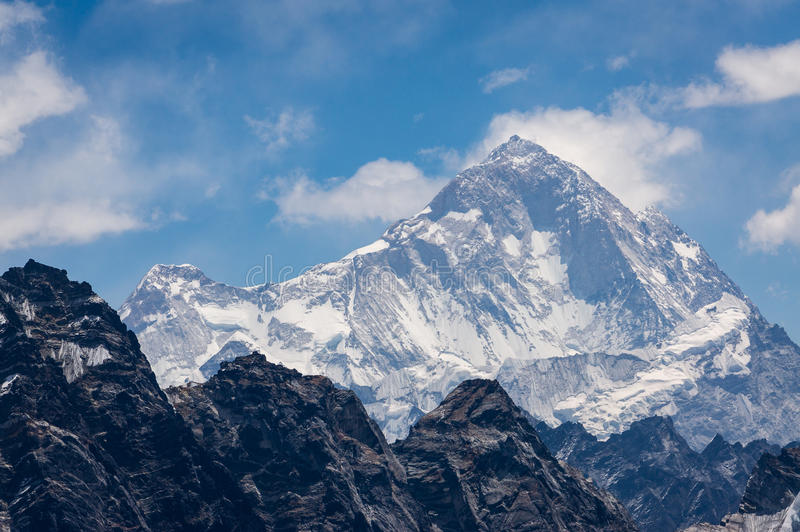
Mount Lhotse (8,516m) is the fourth-highest mountain in the world and one of Nepal’s premier 8,000-meter climbing objectives. Sharing much of its route with the Mount Everest South Col expedition, Lhotse offers experienced mountaineers the opportunity to climb an 8,000-meter peak while following one of the Himalayas’ most established expedition routes.
The journey begins with the classic trek through the Khumbu Valley, passing Sherpa villages, Buddhist monasteries, suspension bridges, and the well-known trekking towns of Namche Bazaar, Tengboche, and Dingboche before reaching Base Camp. Above Base Camp, climbers follow the Khumbu Icefall, Western Cwm, Lhotse Face, Geneva Spur, and the steep Reiss Couloir before reaching the summit.
Although Lhotse shares much of its approach with Everest, it remains a serious technical expedition requiring previous high-altitude mountaineering experience, strong physical conditioning, and the ability to perform safely in extreme alpine conditions.
Is This Trip Right for You?
The Mount Lhotse Expedition is designed for experienced mountaineers who already have technical climbing skills and previous experience on peaks of at least 6,500 meters.
This expedition involves glacier travel, fixed-rope climbing, crevasse crossings, steep snow and ice terrain, and extended periods above 8,000 meters. Climbers should be comfortable using crampons, ice axes, ascenders, and other technical mountaineering equipment while operating in high-altitude environments.
Good physical fitness, careful preparation, and prior expedition experience are essential. Climbers must also be prepared for rapidly changing weather, cold temperatures, and the physical demands of a long Himalayan expedition.
A Nepal climbing permit and other required government permits are included as part of the expedition.
Frequently Asked Questions
How difficult is the Lhotse Expedition?
Lhotse is a highly technical 8,000-meter expedition that requires previous high-altitude climbing experience, strong fitness, and advanced mountaineering skills.
Do Lhotse and Everest share the same route?
Yes. The expedition follows the Everest route through the Khumbu to the upper mountain before turning toward Lhotse above the Yellow Band.
How long does the expedition take?
The standard itinerary is 57 days, including trekking, acclimatization, climbing rotations, and contingency time.
Do I need previous climbing experience?
Yes. Climbers should have experience on technical mountains of at least 6,500 meters and be comfortable using mountaineering equipment.
What is the highest point of the expedition?
The summit of Mount Lhotse stands at 8,516 meters (27,940 feet).
What accommodation is provided?
The expedition includes hotels in Kathmandu, teahouses during the approach trek, and fully supported tented camps at Base Camp and higher camps.
When is the best time to climb Lhotse?
Spring (March to May) is the preferred season because of more stable weather and the larger number of Everest and Lhotse expeditions operating at that time.
About Apex Nepal Treks & Tours
Apex Nepal Treks & Tours operates Himalayan expeditions with experienced Sherpa guides, climbing leaders, and support staff who have extensive experience on Nepal’s highest peaks. Every Lhotse expedition is planned with careful attention to logistics, acclimatization, safety procedures, and environmental responsibility.
The team manages permits, domestic transportation, Base Camp operations, climbing support, and expedition logistics from arrival in Kathmandu through the completion of the climb. Whether preparing equipment in Kathmandu or establishing high camps on the mountain, Apex Nepal works to provide organized support that allows climbers to focus on the expedition itself.
Compare Similar Expeditions
If you’re considering climbing Mount Lhotse, you may also be interested in:
- Mount Everest Expedition (8,848.86m) – Follow the world’s most famous 8,000-meter route to the highest point on Earth, sharing much of the same approach through the Khumbu Valley.
- Mount Makalu Expedition (8,485m) – A more remote and technically demanding 8,000-meter climb for experienced mountaineers looking beyond the Everest region.
Trip Highlights
- Climb Mount Lhotse (8,516m), the world’s fourth-highest mountain
- Follow the classic Everest South Col approach through the Khumbu Valley
- Trek through traditional Sherpa villages including Namche Bazaar, Tengboche, and Dingboche
- Visit Tengboche Monastery, one of the region’s best-known Buddhist monasteries
- Climb the steep Lhotse Face and the Reiss Couloir during the summit push
- Experience panoramic views of Everest, Nuptse, Ama Dablam, Pumori, and surrounding Himalayan peaks
- Complete a fully supported expedition with experienced Sherpa climbing staff
- Spend time acclimatizing on one of the world’s most iconic high-altitude climbing routes
At a Glance
- Destination: Nepal
- Region: Khumbu (Everest Region)
- Duration: 57 Days
- Highest Elevation: 8,516 m (Mount Lhotse)
- Group Size: 1-8 climbers
- Difficulty: Extremely Challenging / Technical Expedition
- Accommodation: 3-star hotel, trekking lodges, expedition tents
- Meals: Breakfast in Kathmandu; all meals during the trek and expedition
- Transportation: Airport transfers, domestic flights to and from Lukla
- Best Seasons: Spring (March-May) and Autumn (September-November)
Day to Day Itinerary
Route Overview
The expedition begins in Kathmandu with equipment checks and final preparations before flying to Lukla, the gateway to the Everest region. From there, the route follows the classic Everest trekking trail through Phakding, Namche Bazaar, Tengboche, Dingboche, and Lobuche before reaching Lhotse Base Camp.
Several acclimatization days are built into the approach to help prepare for higher elevations. After arriving at Base Camp, the expedition enters its climbing phase, including training, acclimatization rotations, establishing higher camps, and waiting for a suitable summit weather window.
The ascent follows the Everest route through the Khumbu Icefall and Western Cwm before climbing the Lhotse Face. Near the upper mountain, climbers leave the Everest route and continue through the Geneva Spur and the steep Reiss Couloir to reach the summit. After the climb, the team returns to Base Camp, treks back to Lukla, and flies to Kathmandu.
A Classic 8,000-Meter Expedition in Nepal’s Everest Region
Day-by-Day Itinerary
Note: The rotation schedule and summit attempt may change depending on weather conditions, mountain conditions, and each climber’s acclimatization. The expedition leader will adjust the schedule when necessary.
Day 1: Arrival in Kathmandu
Arrive in Kathmandu and transfer to your hotel for an expedition briefing.
Day 2: Expedition Preparation
Meet your guides, check your equipment, and prepare for the expedition.
Day 3: Final Preparations
Complete final gear checks and expedition arrangements before flying to Lukla.
Day 4: Fly to Lukla and Trek to Phakding (2,610m)
Fly to Lukla and begin trekking through the Dudh Koshi Valley to Phakding.
Day 5: Trek to Namche Bazaar (3,440m)
Cross suspension bridges and climb to the Sherpa trading town of Namche Bazaar.
Day 6: Acclimatization Day
Spend the day acclimatizing with a hike to Khumjung Village or the Everest View Hotel.
Day 7: Trek to Tengboche (3,867m)
Continue to Tengboche, home to one of the Khumbu’s best-known Buddhist monasteries.
Day 8: Trek to Dingboche (4,400m)
Trek through Pangboche and Somare before reaching the village of Dingboche.
Day 9: Acclimatization Hike
Hike to Nangkartshang Hill (5,100m) before returning to Dingboche.
Day 10: Trek to Lobuche (4,900m)
Continue through alpine terrain to the settlement of Lobuche.
Day 11: Trek to Lhotse Base Camp (5,364m)
Reach Base Camp and prepare for the climbing phase of the expedition.
Days 12-50: Acclimatization, Training, and Summit Attempt
Complete acclimatization rotations, establish higher camps, and attempt the summit when conditions permit.
Day 51: Base Camp Clean-Up
Pack expedition equipment and prepare Base Camp for departure.
Days 52-54: Trek Back to Lukla
Retrace the trekking route through the Khumbu Valley to Lukla.
Day 55: Fly to Kathmandu
Return to Kathmandu by scheduled flight from Lukla.
Day 56: Spare Day in Kathmandu
Keep this day available for weather delays or enjoy sightseeing if it is not needed.
Day 57: Departure
Transfer to the international airport for your onward flight.
What's Included
- Airport transfers in Kathmandu
- 3-star hotel accommodation in Kathmandu
- Breakfast in Kathmandu
- Lodge accommodation during the trek
- All meals during the trek and expedition
- Domestic flights between Kathmandu and Lukla
- Lhotse climbing permit and required expedition documentation
- Government royalty fees
- Experienced Sherpa climbing team and all associated expenses
- Base Camp manager and Sirdar
- Required oxygen bottles with masks and regulators
- Satellite communication system at Base Camp (additional charges may apply for personal use)
- Radio communication between camps
- Personal tent at Base Camp
- High-altitude tents, dining tent, kitchen tent, toilet tent, storage tent, cooking equipment, and expedition camp infrastructure
What's not Included
- International airfare
- Meals in Kathmandu (except breakfast)
- Nepal visa fees
- Personal climbing clothing and equipment
- Personal travel and mountaineering insurance
- Summit bonus
- Personal expenses
- Gratuities for guides and support staff
Accommodations
The expedition includes 3-star hotel accommodation in Kathmandu before and after the climb. During the trek through the Khumbu, you’ll stay in local mountain lodges in villages such as Phakding, Namche Bazaar, Tengboche, Dingboche, and Lobuche. At Lhotse Base Camp and throughout the climbing phase, accommodation is provided in fully equipped expedition tents, including personal sleeping tents and shared dining, kitchen, storage, and toilet tents. High-altitude camps use specialized mountaineering tents during acclimatization rotations and the summit push.
Meals
Breakfast is included during your stay in Kathmandu. From the trek to Base Camp through the entire climbing expedition, all meals are provided by the expedition team. Meals are planned to support the physical demands of trekking, acclimatization, and high-altitude climbing.
Team Composition
From 1 Pax to 8 Pax in a group
Physical Condition & Experience Requirements
This expedition is suitable for climbers who:
- Have previous experience on technical alpine climbs.
- Have climbed peaks of approximately 6,500 meters or higher.
- Are confident using crampons, an ice axe, fixed ropes, and other mountaineering equipment.
- Maintain excellent physical fitness and endurance.
- Can commit to a long expedition in a remote mountain environment.
Best Time to Travel
Spring (March to May)
Spring is the main climbing season for Mount Lhotse. Stable weather, warmer temperatures, and longer daylight hours provide the best conditions for summit attempts. Most expeditions operate during this period.
Autumn (September to November)
Autumn offers generally clear weather after the monsoon. While fewer expeditions attempt Lhotse during this season, it can still provide suitable climbing conditions depending on the year’s weather patterns.
Route Overview
The expedition begins in Kathmandu with equipment checks and final preparations before flying to Lukla, the gateway to the Everest region. From there, the route follows the classic Everest trekking trail through Phakding, Namche Bazaar, Tengboche, Dingboche, and Lobuche before reaching Lhotse Base Camp.
Several acclimatization days are built into the approach to help prepare for higher elevations. After arriving at Base Camp, the expedition enters its climbing phase, including training, acclimatization rotations, establishing higher camps, and waiting for a suitable summit weather window.
The ascent follows the Everest route through the Khumbu Icefall and Western Cwm before climbing the Lhotse Face. Near the upper mountain, climbers leave the Everest route and continue through the Geneva Spur and the steep Reiss Couloir to reach the summit. After the climb, the team returns to Base Camp, treks back to Lukla, and flies to Kathmandu.
A Classic 8,000-Meter Expedition in Nepal’s Everest Region
Day-by-Day Itinerary
Note: The rotation schedule and summit attempt may change depending on weather conditions, mountain conditions, and each climber’s acclimatization. The expedition leader will adjust the schedule when necessary.
Day 1: Arrival in Kathmandu
Arrive in Kathmandu and transfer to your hotel for an expedition briefing.
Day 2: Expedition Preparation
Meet your guides, check your equipment, and prepare for the expedition.
Day 3: Final Preparations
Complete final gear checks and expedition arrangements before flying to Lukla.
Day 4: Fly to Lukla and Trek to Phakding (2,610m)
Fly to Lukla and begin trekking through the Dudh Koshi Valley to Phakding.
Day 5: Trek to Namche Bazaar (3,440m)
Cross suspension bridges and climb to the Sherpa trading town of Namche Bazaar.
Day 6: Acclimatization Day
Spend the day acclimatizing with a hike to Khumjung Village or the Everest View Hotel.
Day 7: Trek to Tengboche (3,867m)
Continue to Tengboche, home to one of the Khumbu’s best-known Buddhist monasteries.
Day 8: Trek to Dingboche (4,400m)
Trek through Pangboche and Somare before reaching the village of Dingboche.
Day 9: Acclimatization Hike
Hike to Nangkartshang Hill (5,100m) before returning to Dingboche.
Day 10: Trek to Lobuche (4,900m)
Continue through alpine terrain to the settlement of Lobuche.
Day 11: Trek to Lhotse Base Camp (5,364m)
Reach Base Camp and prepare for the climbing phase of the expedition.
Days 12-50: Acclimatization, Training, and Summit Attempt
Complete acclimatization rotations, establish higher camps, and attempt the summit when conditions permit.
Day 51: Base Camp Clean-Up
Pack expedition equipment and prepare Base Camp for departure.
Days 52-54: Trek Back to Lukla
Retrace the trekking route through the Khumbu Valley to Lukla.
Day 55: Fly to Kathmandu
Return to Kathmandu by scheduled flight from Lukla.
Day 56: Spare Day in Kathmandu
Keep this day available for weather delays or enjoy sightseeing if it is not needed.
Day 57: Departure
Transfer to the international airport for your onward flight.
What's Included
- Airport transfers in Kathmandu
- 3-star hotel accommodation in Kathmandu
- Breakfast in Kathmandu
- Lodge accommodation during the trek
- All meals during the trek and expedition
- Domestic flights between Kathmandu and Lukla
- Lhotse climbing permit and required expedition documentation
- Government royalty fees
- Experienced Sherpa climbing team and all associated expenses
- Base Camp manager and Sirdar
- Required oxygen bottles with masks and regulators
- Satellite communication system at Base Camp (additional charges may apply for personal use)
- Radio communication between camps
- Personal tent at Base Camp
- High-altitude tents, dining tent, kitchen tent, toilet tent, storage tent, cooking equipment, and expedition camp infrastructure
What's not Included
- International airfare
- Meals in Kathmandu (except breakfast)
- Nepal visa fees
- Personal climbing clothing and equipment
- Personal travel and mountaineering insurance
- Summit bonus
- Personal expenses
- Gratuities for guides and support staff
0 Reviews on Mount Lhotse Expedition (8516m)


Leave a Reply
You must be logged in to post a comment.